Loading video…

Video
Should Runners Lift Weights? Many Elites Don't - Tom Nobbs (2:09 Marathoner)
Spot Sports video
Should Runners Lift Weights? Many Elites Don't - Tom Nobbs (2:09 Marathoner)
›
Jun 9, 20261:07:065.5K views
Loading video…
Video
Should Runners Lift Weights? Many Elites Don't - Tom Nobbs (2:09 Marathoner)
Spot Sports video
Person context
Open athlete profiles or related sport coverage without starting a new search.
Language context
This clip covers academy or development-team competition. Use the team, sport, and search links to separate it from senior-team highlights.
Tom Nobbs on Strides, Strength Training, and Building Toward Higher Marathon Mileage After Two 10Ks
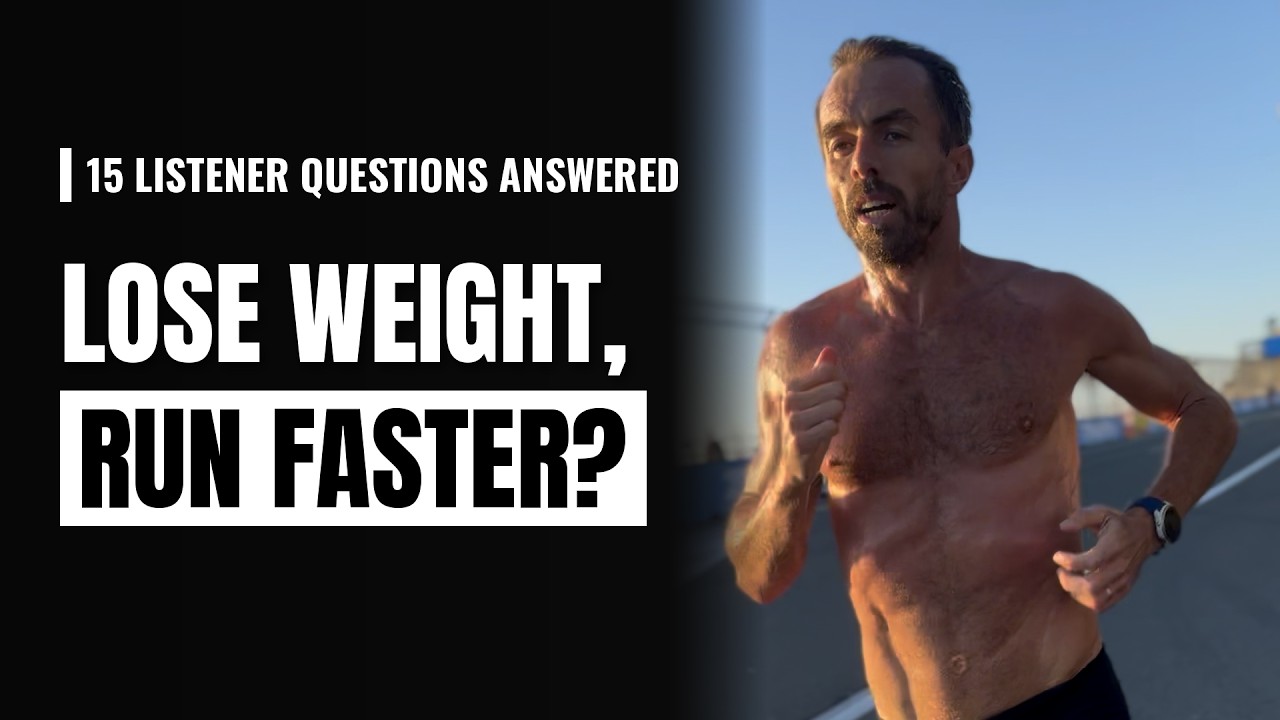
Canadian 2:09 marathoner Tom Nobbs discusses recent takeaways from conversations with Rory Linkletter and Jimmy, with a focus on frequent strides, sprinting, strength training, racing, and building toward a bigger marathon block.
Tom Nobbs Links:
Tom Nobbs Instagram: instagram.com/nobbs.not.knobs
Tom Nobbs Strava: strava.com/athletes/28521910
Matt Fox Links:
Train with Matt Fox: sweatelitecoaching.com/matt-fox
Join the Supporters Club and private podcast feed: sweatelite.co/shareholders
Contact Matt: matt@sweatelite.co
Matt Fox Instagram: instagram.com/mattinglisfox
Matt Fox Strava: strava.com/athletes/6248359
They begin by talking about Rory’s daily strides, how often runners should include strides or short sprints, and why intensity needs to be individualized. Matt and Tom discuss the value of polarizing training between controlled tempo work and true max-speed work, rather than turning every session into the same moderate effort.
The conversation then moves into strength training. They debate where gym work fits for distance runners, how it may help reduce cramping for some athletes, and why it can also become unnecessary or costly for high-mileage runners if it takes away from recovery or running volume. Tom explains his own strength gaps and the importance of tailoring gym work to the athlete rather than forcing one approach on everyone.
Tom also breaks down two recent 10K races: a 28:47 road 10K in windy conditions in Ottawa, and a delayed late-night track 10K in awkward conditions with limited access to the track beforehand. Matt and Tom discuss how racing time-of-day, warm-up routines, track access, spikes, and surface specificity can all affect performance. They also compare road and track racing, why both require adaptation, and how shorter races can sharpen the mental edge during a marathon build.
Later, they cover coaching athletes who over-race, how different personality types respond to racing, and the balance between racing for fun, social connection, and long-term development. The final part of the episode shifts into Tom’s next marathon block, including higher “super mileage,” the trade-offs of extreme volume, tapering challenges, days off versus seven-day running, and examples of older or later-career runners still making major marathon improvements.
Episode Chapters:
00:00 Welcome Back Tom
01:24 Rory’s Daily Strides
02:56 How Many Strides
05:13 Weekly Structure Cycles
06:20 Strength Training Debate
07:12 Tom’s Strength Gap
09:35 Cramping And Research
14:34 Ottawa 10K Recap
17:55 Track Access And Spikes
19:26 Night Racing Timing
24:21 Roads Versus Track
27:14 Why No 5K Racing
28:36 Chasing A 14:20
30:42 Finding Quality 5Ks
32:47 5K During Marathon Block
34:29 Short Races Mental Edge
36:24 VO2 Pain Gets Easier
37:31 Too Many Races Policy
40:52 Coaching Personality Types
43:27 Running For Social Fun
45:50 Meeting Partners Through Running
49:04 Kicking Off Marathon Block
51:14 Peak Mileage Targets
53:24 Days Off Debate
56:04 Jake Barraclough Volume Trap
58:54 Mileage As A Lever
01:03:26 Older Runners Still Improve
01:06:29 Wrap Up And Next Check In
Press play above — the video streams right here. The free Spot Sports app also queues clips like this one alongside your followed teams and athletes.
Follow Rory Linkletter in the Spot Sports app — new highlight videos and podcast appearances push to your feed automatically.
1 hour 7 minutes.