Loading video…
Video
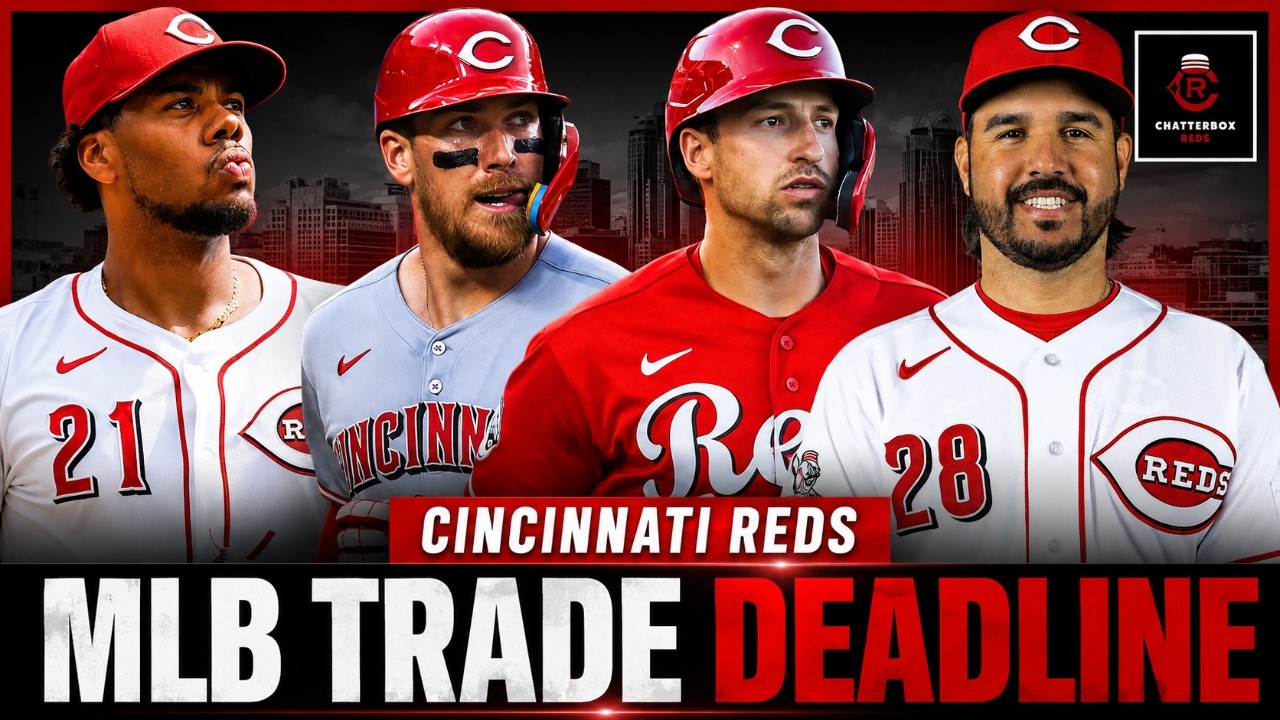
CINCINNATI REDS MLB TRADE DEADLINE LIVE SPECIAL | Chatterbox Reds
Spot Sports video
CINCINNATI REDS MLB TRADE DEADLINE LIVE SPECIAL | Chatterbox Reds
›
Aug 3, 20264:12:4221.8K views
Loading video…
Video
CINCINNATI REDS MLB TRADE DEADLINE LIVE SPECIAL | Chatterbox Reds
Spot Sports video
Watch next
All from channel →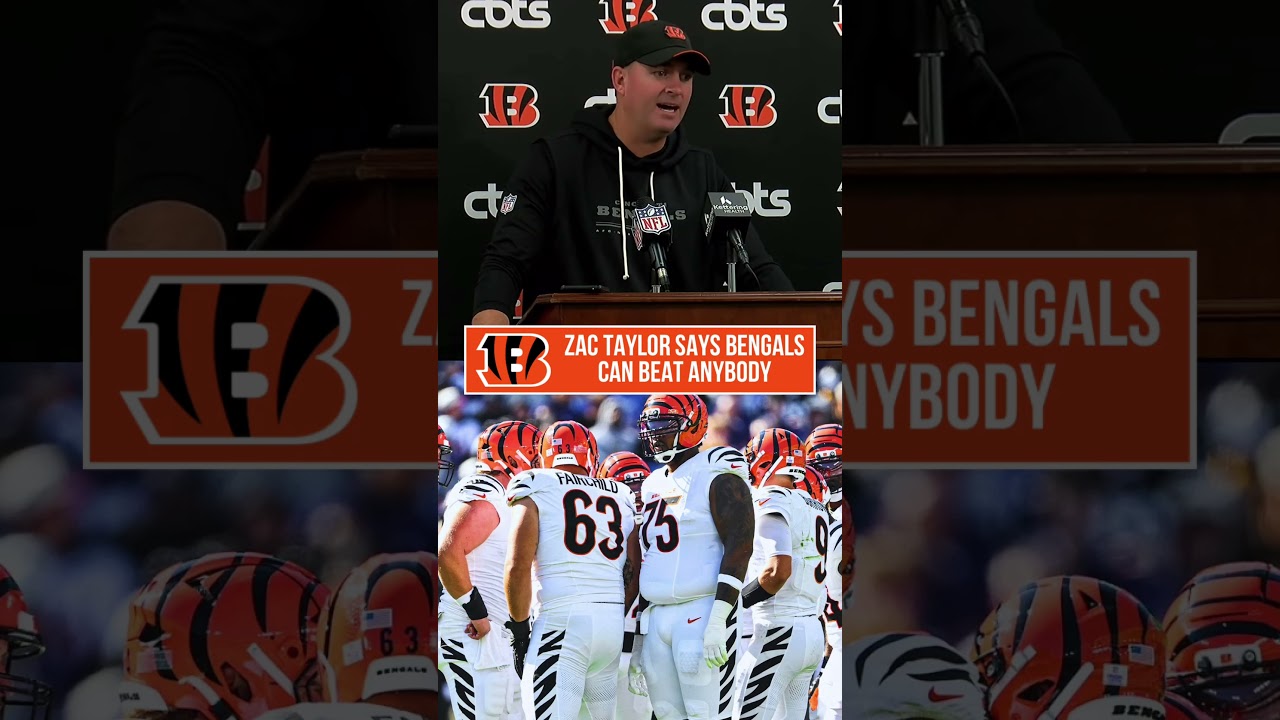
Up next
Zac Taylor:"When our guys are playing at the highest level, it doesn't matter who we're playing."
Keep the session moving with another watch from the same channel.
Team context
Check current scores, team pages, and related coverage without starting a new search.
The Chatterbox Reds crew reacts to the final hours of the 2026 MLB Trade Deadline.
-------------------------------------------
The Cincinnati Reds entered the 2026 season with legitimate playoff aspirations. Coming off a postseason appearance and armed with one of the most exciting young cores in baseball, expectations were high that Cincinnati could take another step forward under Terry Francona. Instead, injuries, inconsistent offense, and an inability to sustain early-season success have left the Reds entering the MLB Trade Deadline as sellers.
At 53-58, Cincinnati sits in last place in the National League Central, 16 games behind the division-leading Milwaukee Brewers and 5.5 games out of the final Wild Card spot. More importantly, they would need to leapfrog six teams in front of them to earn a postseason berth, making a playoff push increasingly unrealistic.
The biggest question surrounding the Reds isn't whether they should sell—it's how aggressive President of Baseball Operations Nick Krall is willing to be.
The obvious trade candidates are the impending free agents. Tyler Stephenson headlines that list. The veteran catcher has rebounded offensively in the second half and has drawn interest from contenders needing help behind the plate. His ability to hit right-handed pitching and provide offensive production at a premium defensive position makes him one of Cincinnati's most valuable rental assets.
Brady Singer is another player who could generate significant interest. Starting pitching is always in demand at the deadline, and while Singer has had an inconsistent season, he has shown stretches where he looks like a dependable middle-of-the-rotation starter. For a contender looking to add innings rather than an ace, Singer fits the profile.
Nathaniel Lowe also makes sense as a trade chip. The veteran first baseman has postseason experience and provides left-handed power, making him an attractive option for clubs looking to strengthen their lineup for October.
Those three names alone could allow Cincinnati to replenish its farm system without dramatically altering the core of the roster.
However, what has made this deadline fascinating are the reports involving players with years of club control remaining.
Hunter Greene has become the center of speculation. Conflicting reports have emerged over the last week regarding his availability. While some insiders have suggested Cincinnati has no intention of moving the former All-Star, others have indicated rival executives believe there's at least a possibility the Reds could listen to offers. Trading Greene would represent a franchise-altering decision and would likely require one of the largest prospect packages of any deal completed this summer.
JJ Bleday has also surfaced in trade discussions. After revitalizing his career in Cincinnati, Bleday has become an intriguing asset because of both his production and remaining years of control. Unlike rental players, dealing someone like Bleday would signal that the Reds are prioritizing long-term roster construction over a quick turnaround in 2027.
The challenge for Krall is balancing the future with the present.
The Reds already possess one of baseball's most exciting young foundations. Elly De La Cruz remains the franchise centerpiece. Chase Burns has quickly emerged as one of baseball's brightest young pitchers, while Sal Stewart has established himself as an impact middle-of-the-order bat during his rookie season. Matt McLain, Noelvi Marte, Andrew Abbott, Hunter Greene, and several top prospects give Cincinnati a nucleus capable of competing again in the near future.
Because of that, there is little reason to trade controllable stars unless another organization presents an overwhelming offer.
Instead, the smarter strategy is maximizing value on expiring contracts while maintaining flexibility for next season. Cincinnati doesn't need another lengthy rebuild. They simply need to add depth, improve organizational pitching, and create financial flexibility to address weaknesses this winter.
One factor working in the Reds' favor is that the market has become increasingly aggressive. Contending teams have already begun paying premium prices for impact talent, especially pitching, and that trend could continue as the deadline approaches. If bidding wars develop for players like Stephenson or Singer, Cincinnati could find itself in position to receive stronger prospect returns than initially expected.
Ultimately, this deadline represents a crossroads for the organization.
Standing pat would risk losing valuable free agents for little return. A measured sell-off focused on expiring contracts would strengthen the farm system while keeping the current core intact. An aggressive teardown involving players like Greene or Bleday would dramatically reshape the franchise's timeline.
For now, the most likely outcome remains somewhere in the middle.
Press play above — the video streams right here. The free Spot Sports app also queues clips like this one alongside your followed teams and athletes, plus live major league baseball scores.
Follow Cincinnati Reds in the Spot Sports app — new highlight videos and podcast appearances push to your feed automatically.
Spot Sports' watch-cost tool maps your zip to the cheapest legal stack for major league baseball games, accounting for DMA-locked RSNs, league passes, and direct-to-consumer apps.
4 hours 12 minutes.