Loading video…
Video
Following Ancient Herds: How Isotopes Reveal Seasonal Animal Movement
General Sports
Following Ancient Herds: How Isotopes Reveal Seasonal Animal Movement
The Origins Foundation Podcast›
2 days ago0:58124 views
Loading video…
Video
Following Ancient Herds: How Isotopes Reveal Seasonal Animal Movement
General Sports
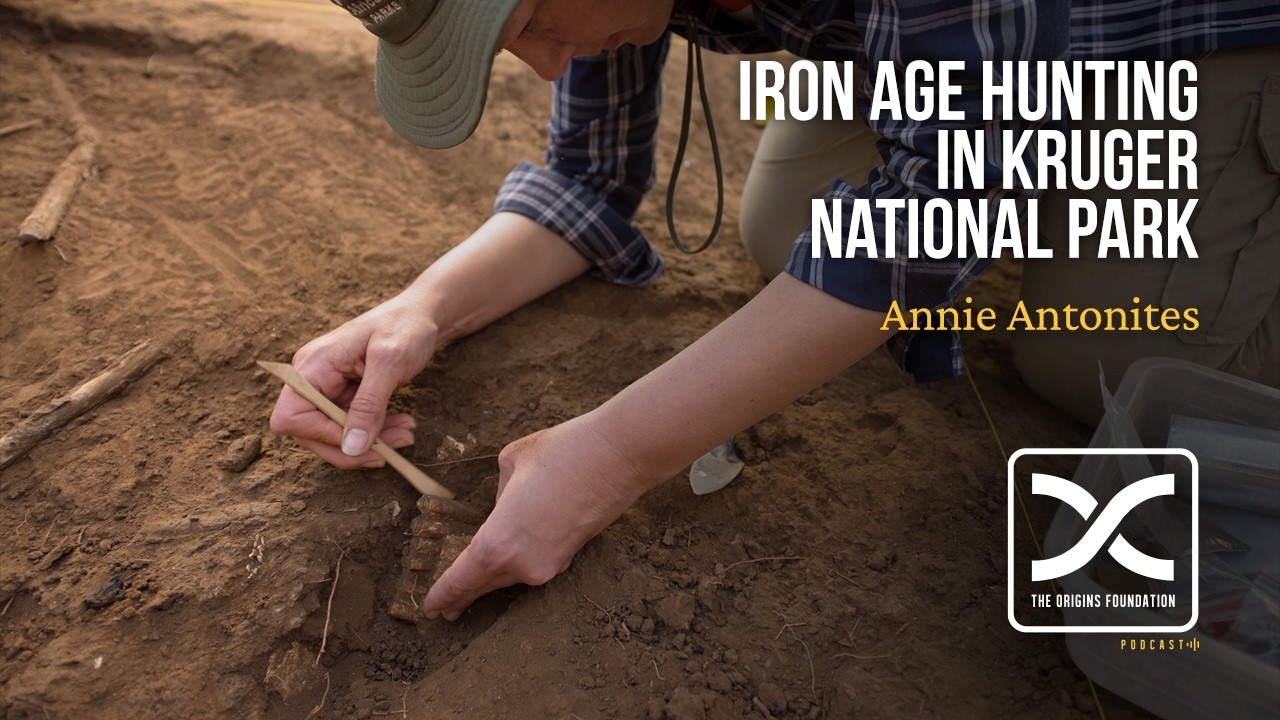
How do archaeologists track animals that moved across the landscape more than 1,000 years ago?
At the Letaba archaeological site in Kruger, researchers are using isotope analysis to study the layers of dentin in animal teeth. Oxygen, strontium, and carbon can preserve clues about the environments and water sources an animal encountered throughout its life.
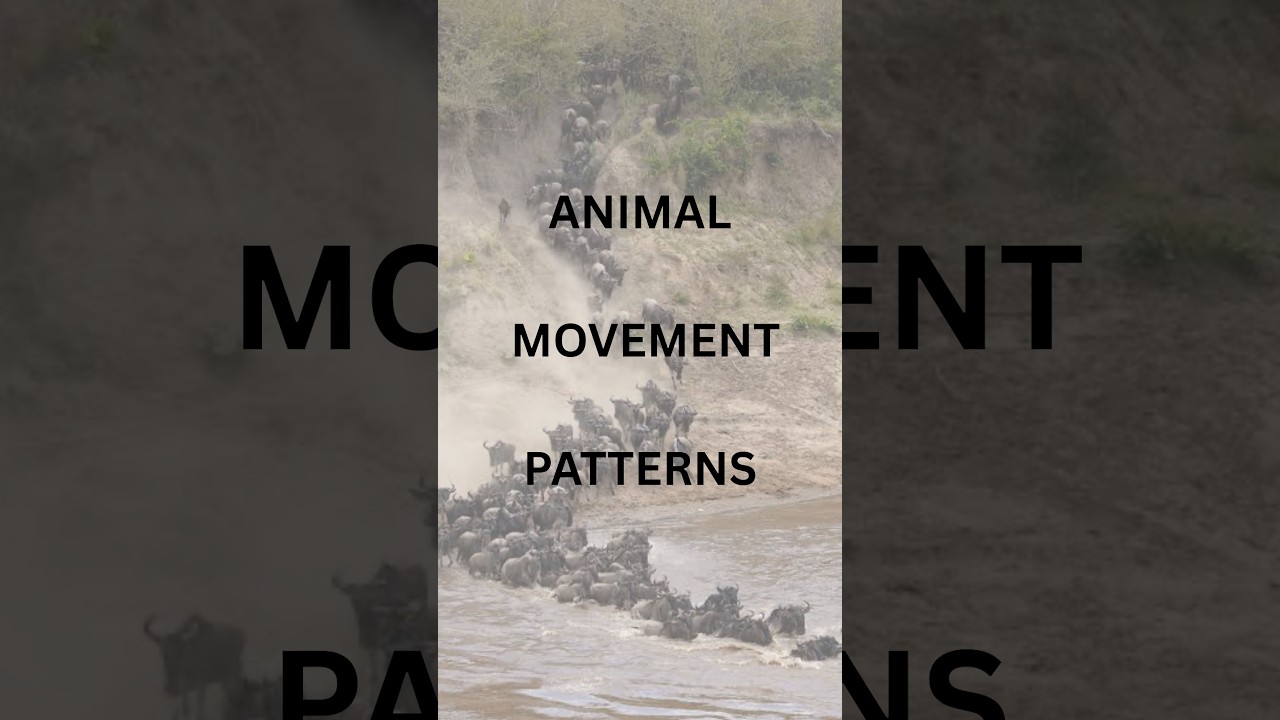
These clues may reveal whether buffalo, zebra, giraffe, and other animals moved seasonally between different habitats—and whether ancient communities followed the herds, waited for them to return, or settled near reliable river corridors.
The landscape of Kruger has changed dramatically over time. By studying animal remains, archaeologists can begin to reconstruct those forgotten cycles of movement, hunting, settlement, and survival.
The past may be buried, but it still leaves a trail.
Listen to the full conversation.
Press play above — the video streams right here. The free Spot Sports app also queues clips like this one alongside your followed teams and athletes.
From the The Origins Foundation Podcast channel. Tap the channel link below the title to browse more uploads.
58 seconds.