Loading video…
Video
Buffalo Hunts in the Early Iron Age: Reading the Bones of Kruger’s Past
General Sports
Buffalo Hunts in the Early Iron Age: Reading the Bones of Kruger’s Past
The Origins Foundation Podcast›
2 days ago0:42324 views
Loading video…
Video
Buffalo Hunts in the Early Iron Age: Reading the Bones of Kruger’s Past
General Sports
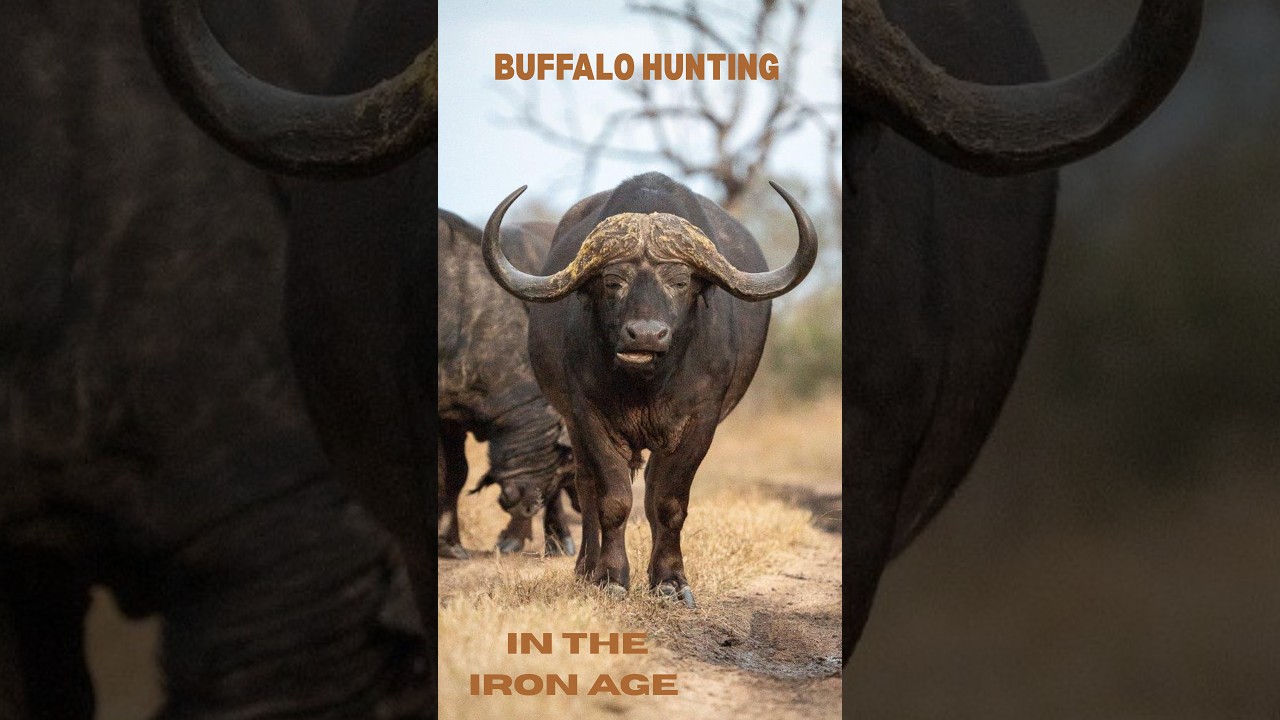
What can buffalo bones reveal about life in southern Africa during the Early Iron Age?
In this fascinating conversation, archaeozoologist Dr. Annie Antonites explains how archaeologists use animal remains to reconstruct ancient hunting practices, community behavior, and human-animal relationships. At the Letaba archaeological site in Kruger, around 90% of the animal remains come from large wild ungulates—including buffalo, zebra, and wildebeest—strongly suggesting that these communities relied heavily on hunting.
The evidence may point to large-scale drive hunts, where entire herds were directed toward strategic locations. By studying the ages of the animals, the way bones were broken, and how carcasses were processed, researchers can investigate whether buffalo were hunted individually or through coordinated group efforts.
The episode explores how ancient communities transported and used large animals, why marrow extraction mattered, and what these discoveries reveal about cooperation, seasonal movement, and survival during the Early Iron Age.
Press play above — the video streams right here. The free Spot Sports app also queues clips like this one alongside your followed teams and athletes.
From the The Origins Foundation Podcast channel. Tap the channel link below the title to browse more uploads.
42 seconds.
